Summer & Winter STEM Camp
A residential science and engineering camp for ages 10-17. Students live university life for the length of the program, work in HITSZ labs, and finish a project of their own.
Who the camp is for
The camp is open to students aged 10 to 17. Groups are organised by year level and prior experience, so the same project carries different levels of difficulty for different ages.
No coding or robotics background is required. Every topic runs through the same sequence — principle, demonstration, hands-on practice — and each concept has to be built at least once, so beginners keep pace comfortably.
Students do need a basic level of independence. Classes and lab work take place on the HITSZ campus; accommodation is in a hotel next to the campus and is managed by our team throughout.
- Age 10-17, grouped by year level
- Experience No coding or robotics background required
- Format Residential; classes at HITSZ, accommodation in a nearby hotel
- Outcome Official HITSZ certificate + a project to take home
Four things that set the camp apart
Not a tour. Not a lecture. Every part of the program is built around doing the real thing.
Faculty-taught courses
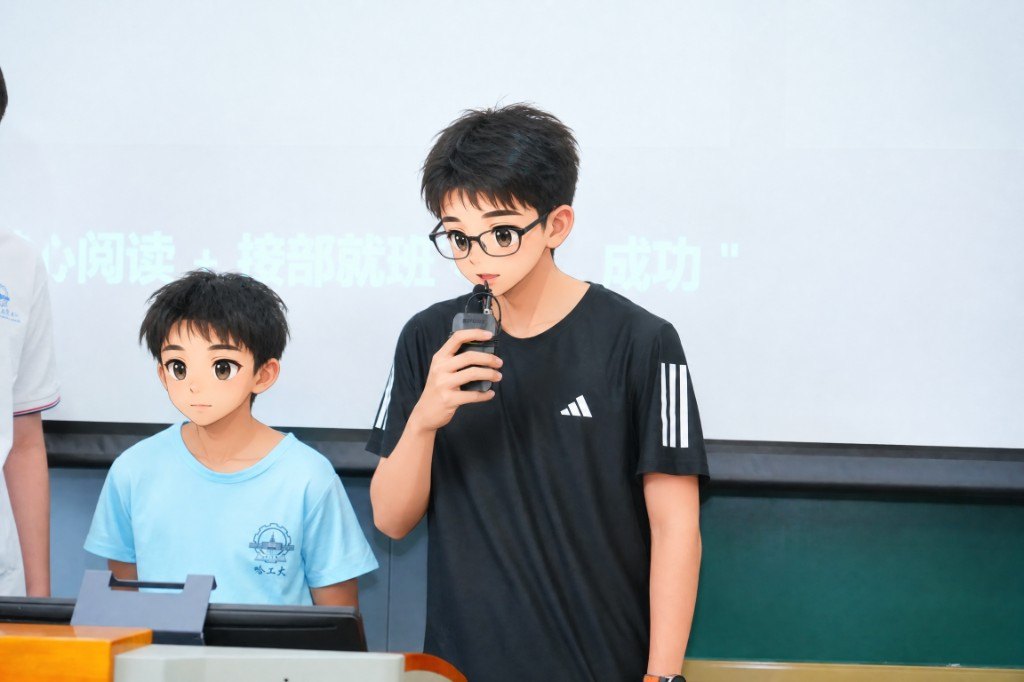
Courses are designed and delivered by faculty from relevant HITSZ departments. Students hear research questions and methods from the people who work on them, not a second-hand summary.
Inside HITSZ labs
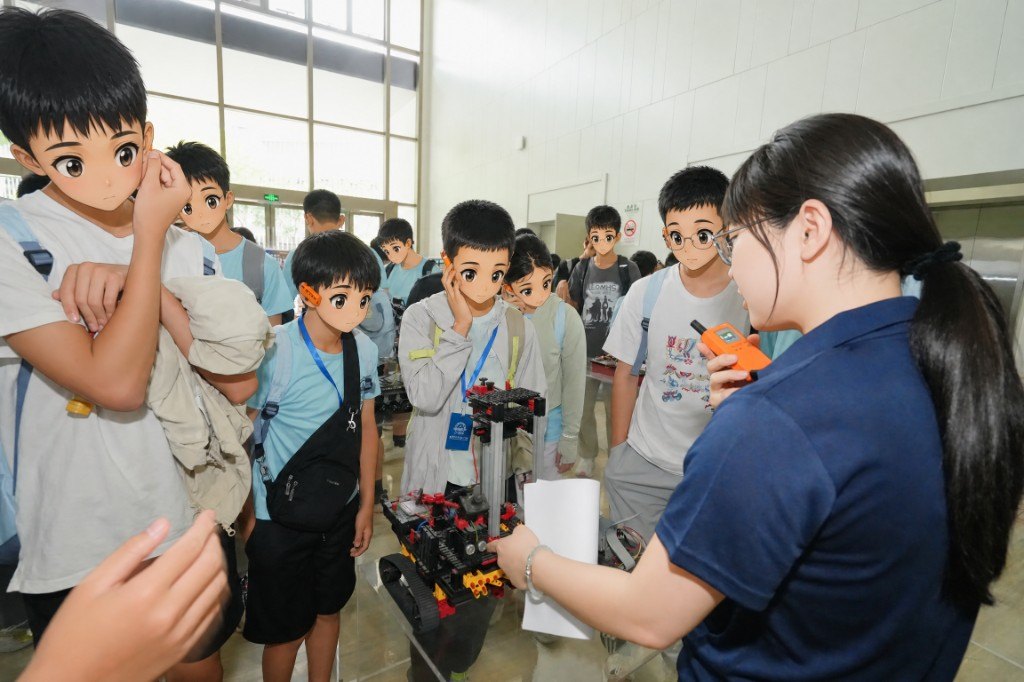
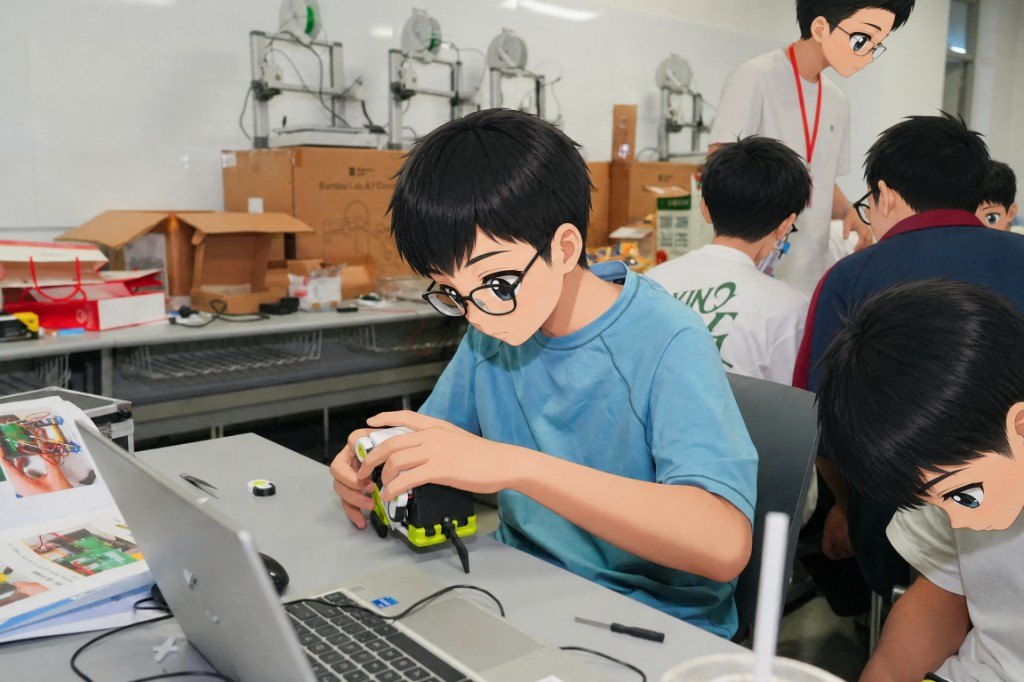
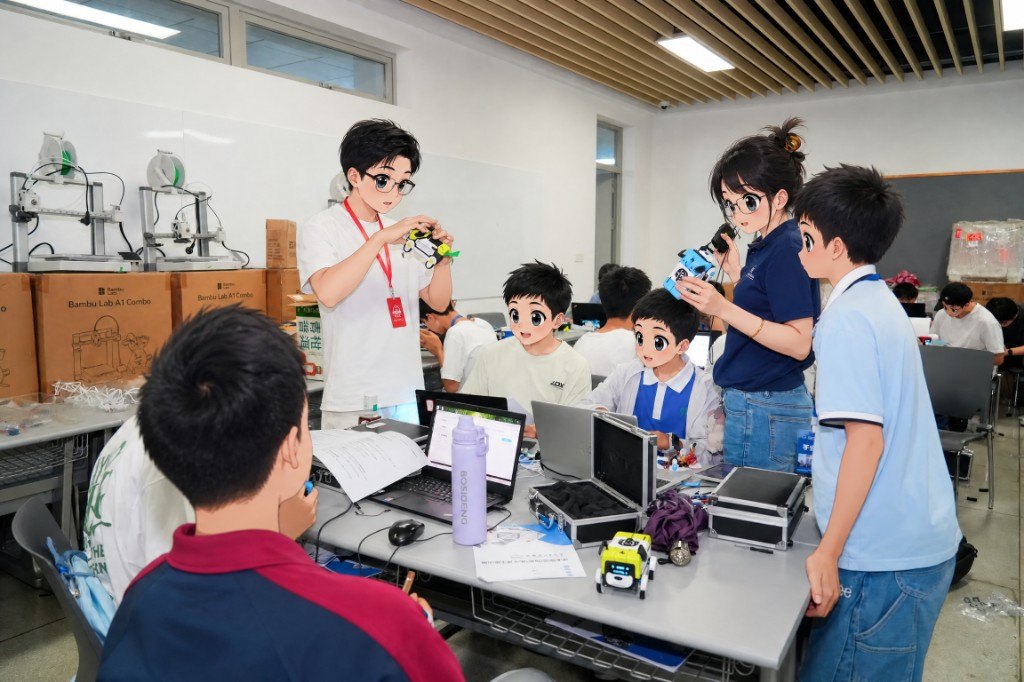
Students enter working research laboratories, see humanoid robots, smart manufacturing lines and AI vision platforms up close, and complete hands-on tasks under mentor supervision.
A project of their own
The whole camp follows a research logic — question, method, verification. Every student finishes with a project they built themselves, moving from understanding the idea to actually making it work.
Official university certificate
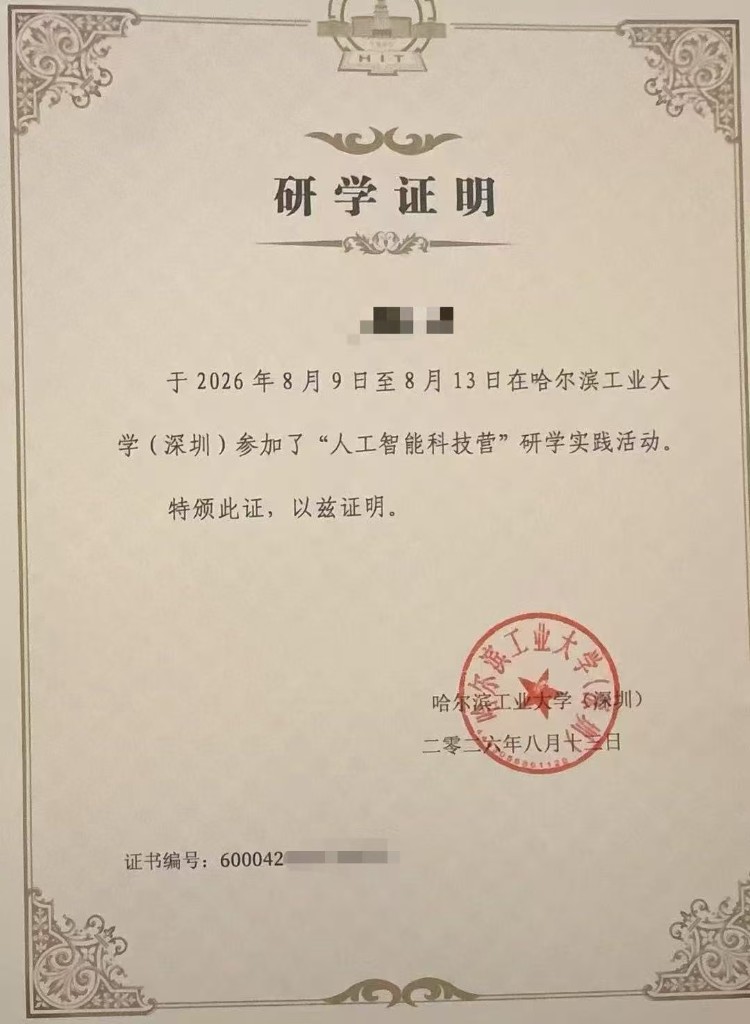
Graduates receive an official HITSZ research-practice certificate: sealed by the university, with a unique serial number, the topic and the dates. Not a participation slip — a verifiable record from a C9 League campus.
What students take home
Parents want to know not only what their child learned, but what they come back with. At the end of the camp, students typically leave with:
- Official certificate Issued by Harbin Institute of Technology, Shenzhen — sealed by the university, with a unique serial number, the research topic and dates, verifiable online.
- A research report Signed by the supervising mentor, documenting the process and conclusions of the project, subject to the course run.
- A finished project Something built by hand — an intelligent robot dog, for example — depending on the theme of that cohort.
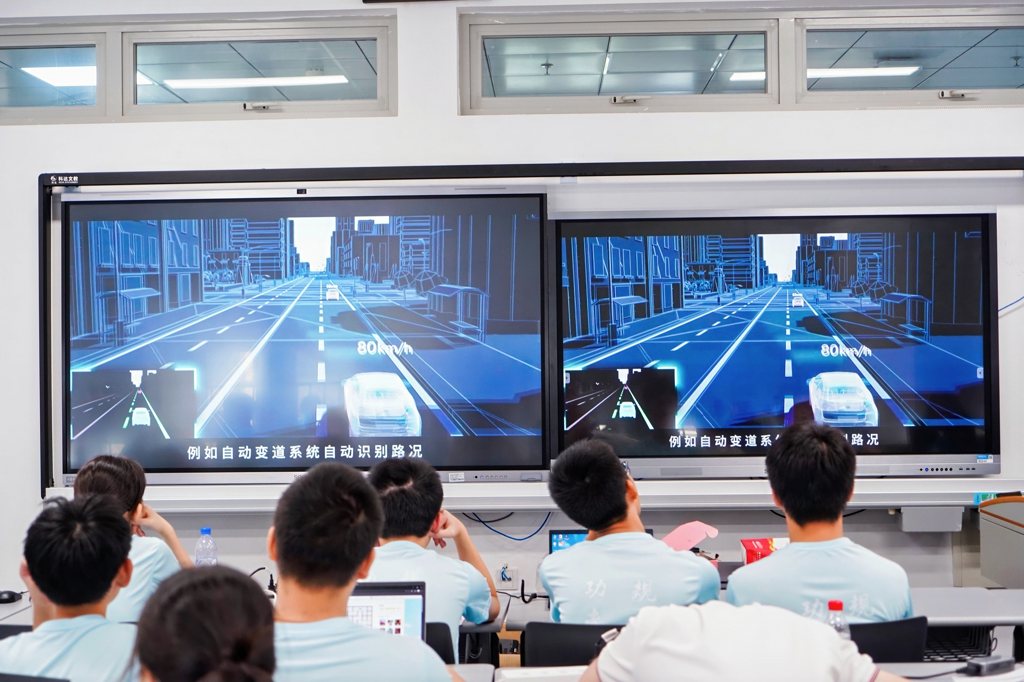
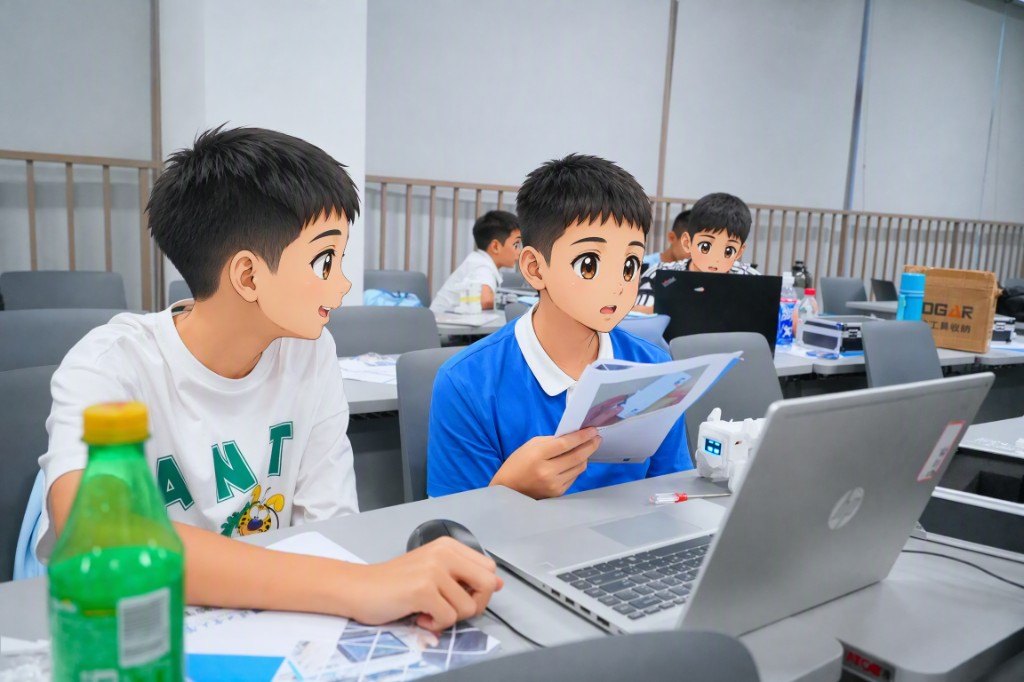
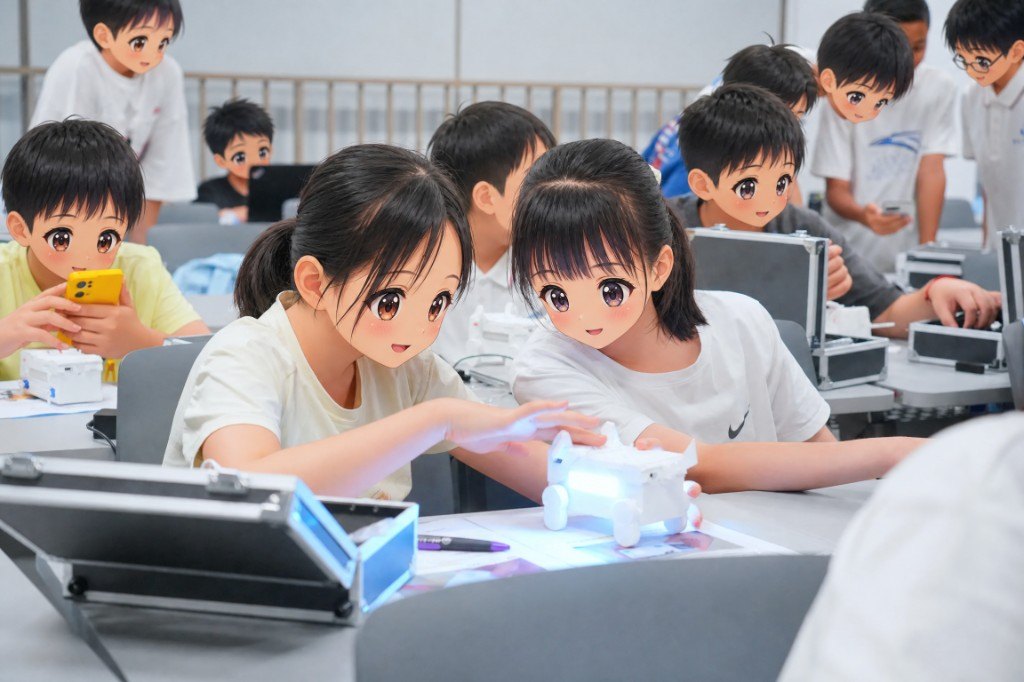
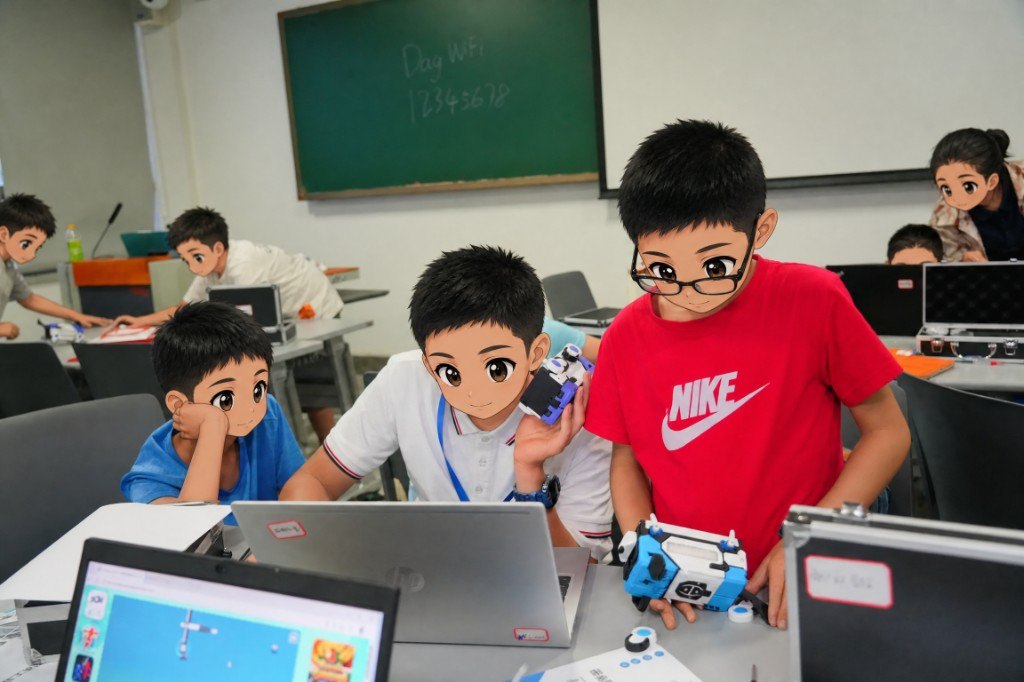
Inside a camp week
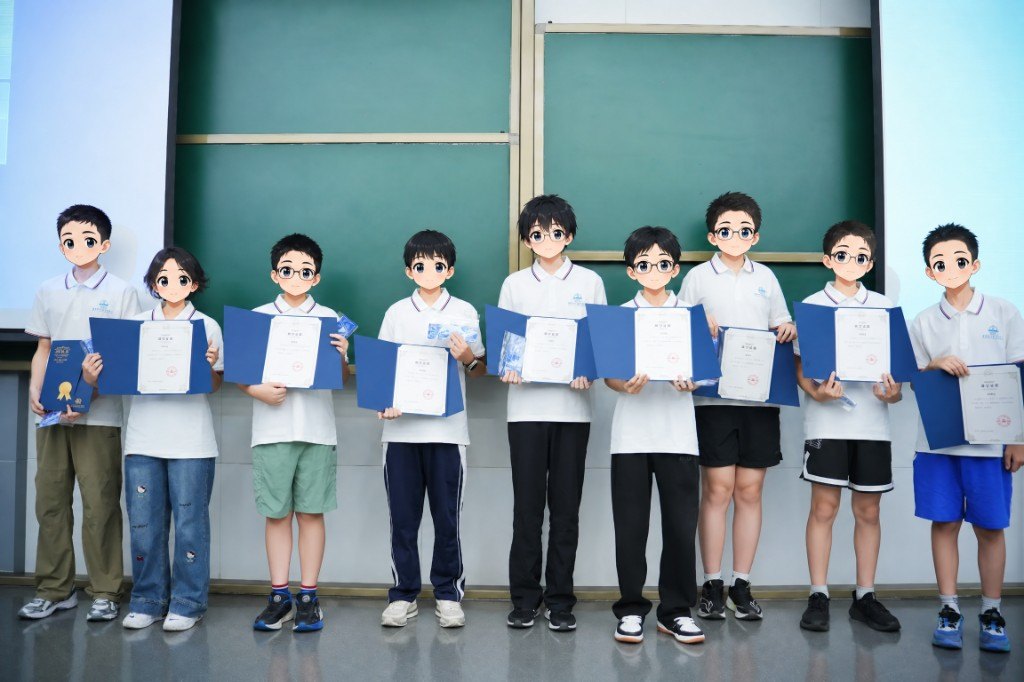
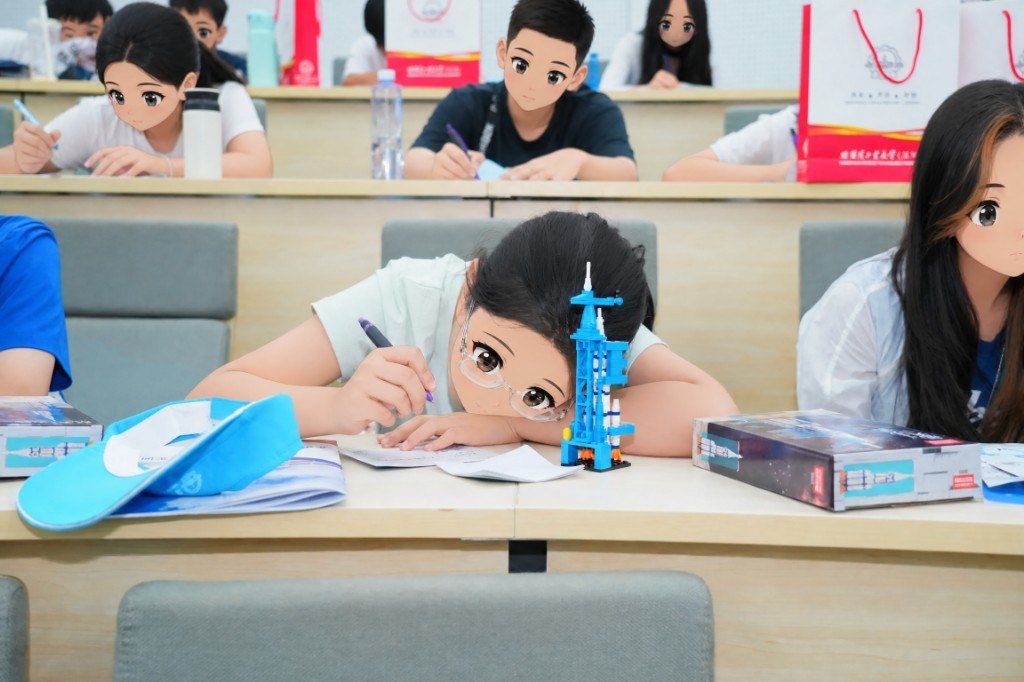
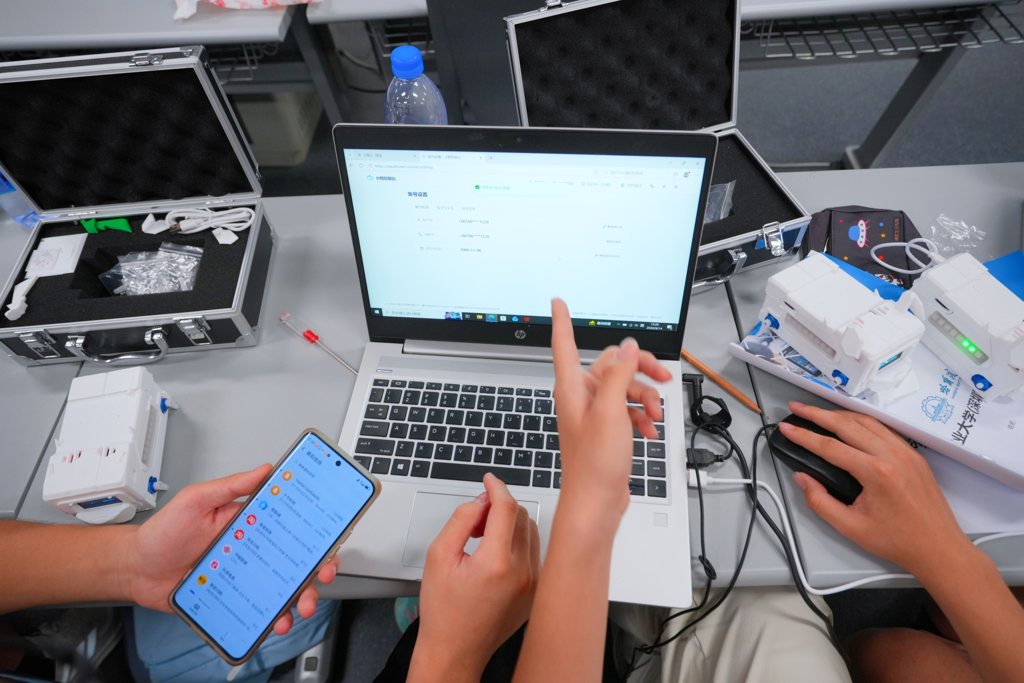
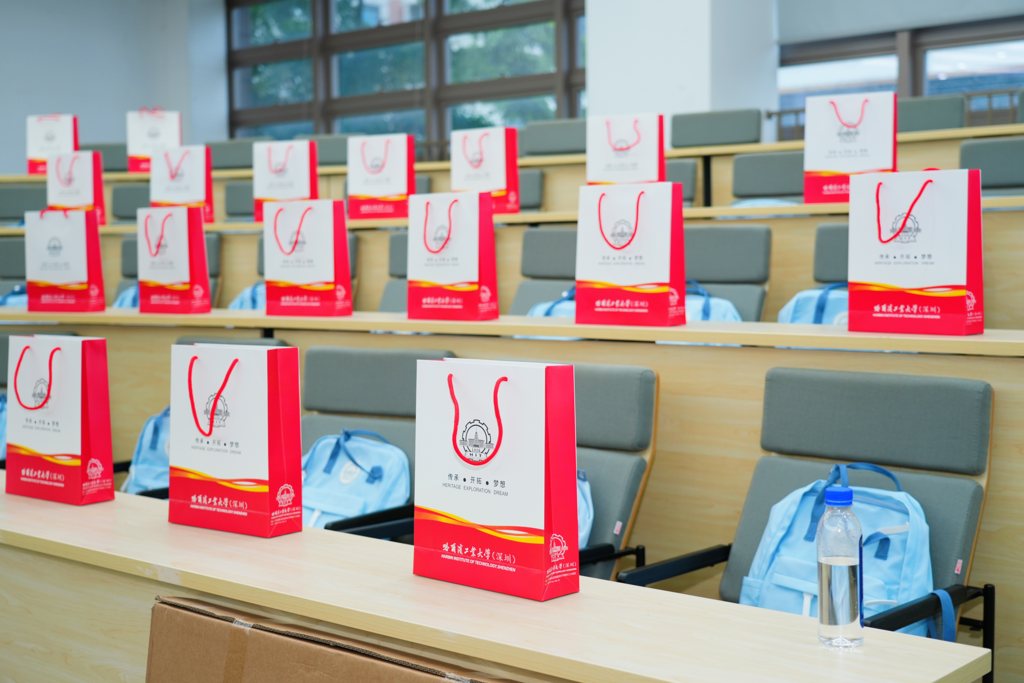
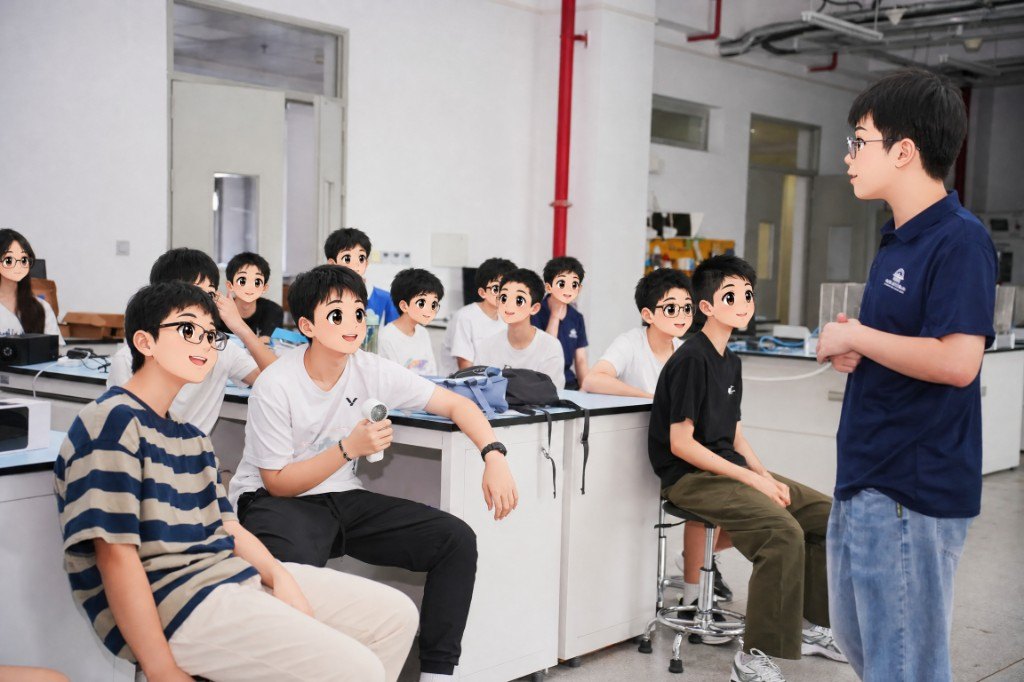
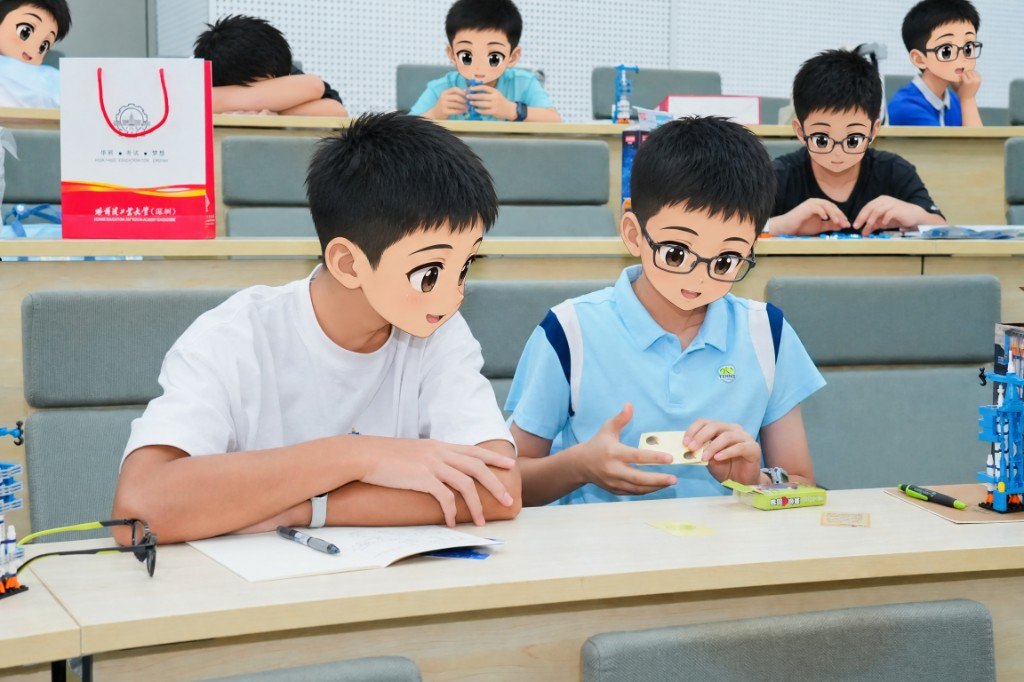
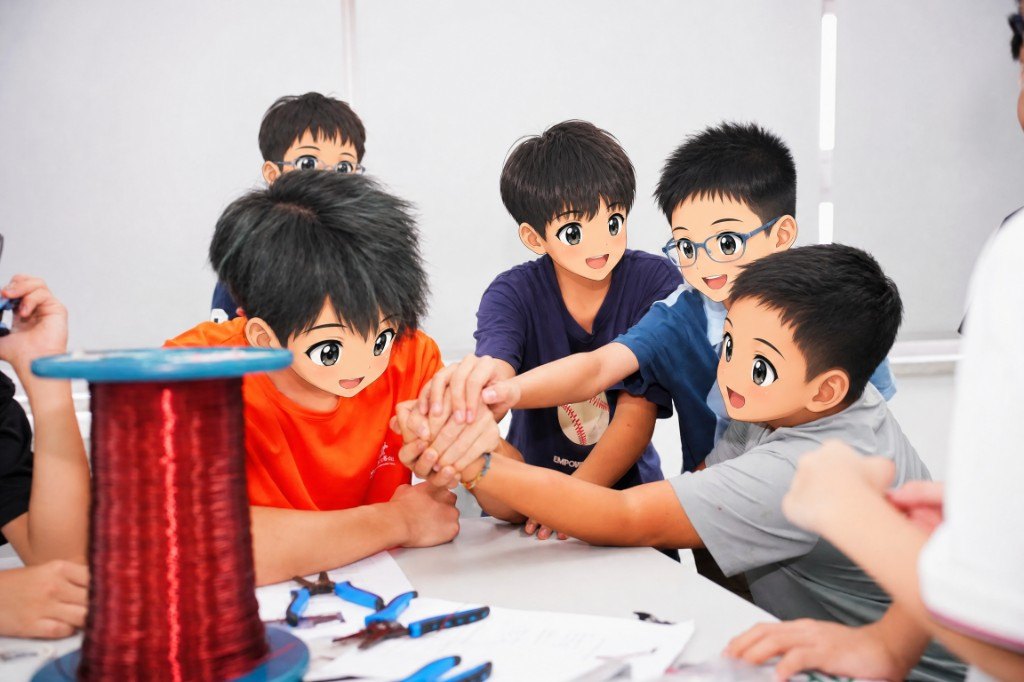
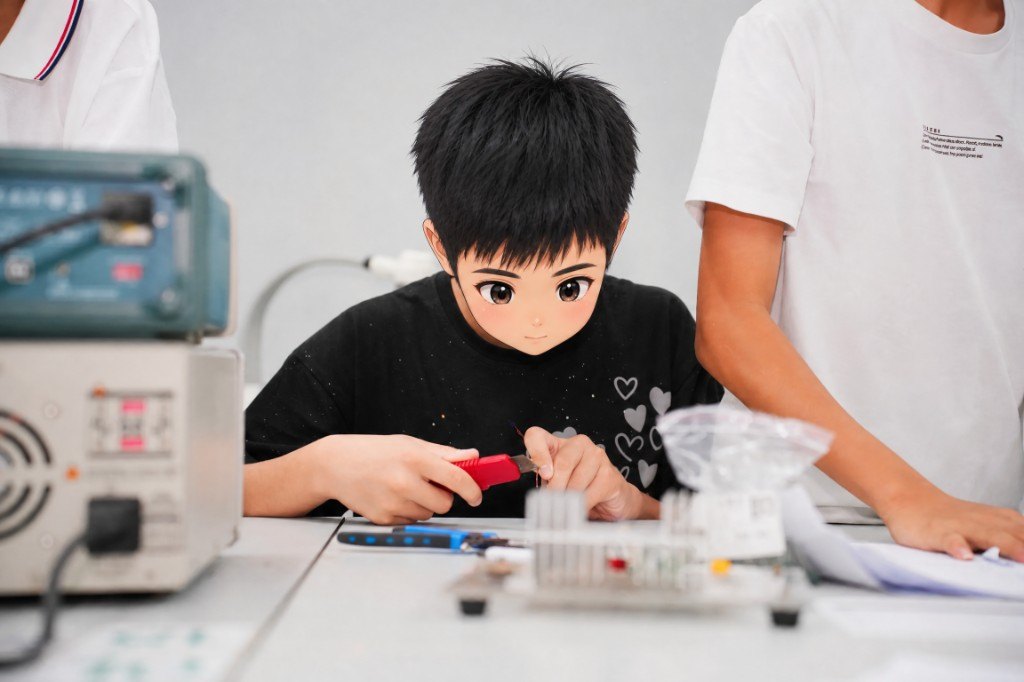
Photographs from past cohorts at HITSZ. Student faces have been blurred for privacy.


Questions parents ask
The questions we hear most often, answered plainly.
Does my child need coding or robotics experience?
No. Beginners start comfortably: the idea first, then a demonstration, then their own hands on the equipment. Classes move at a group pace and task difficulty is layered by year level.
Is the curriculum the same every time?
Themes are set around open research topics in the labs and cover artificial intelligence, robotics and smart manufacturing. Once you register your interest, a teacher will walk you through the specific curriculum for your child's year level.
Where do students stay, and how is safety handled?
Classes and lab work take place on the HITSZ campus; accommodation is in a hotel next to the campus under unified management. The staff-to-student ratio is never below 1:10. Camp accident and liability insurance are included, transport uses licensed vehicles, and parents receive daily updates during the program.
What certificate do students receive?
An official HITSZ research-practice certificate — sealed by the university, with a serial number and verifiable online. Some courses also include a mentor-signed research report and the project itself.
What ages can join?
The camp is for ages 10-17, grouped by year level and experience. If your child is close to either end of that range, contact us first — we will advise based on the difficulty of the current project.
How do we sign up?
Leave your contact details and preferred dates. Once the curriculum and schedule are confirmed, we contact families in the order they registered.
Book a consultation
Tell us your child's year level and preferred dates, and we will help match them to the right cohort.